
Did Time Magazine Accidentally Predict the Bitcoin Revolution in 1997?

London, UK. In the summer of 1997, Time Magazine published a cover story that, in hindsight, reads like a fever dream from a pre-blockchain epoch. Titled “The Future of Money”, the piece attempted to peer through the fog of the early internet to discern how we would transact in the new millennium. While the editors at Time couldn’t have known that a pseudonymous entity named Satoshi Nakamoto would eventually drop a whitepaper that would set the legacy financial system on fire, their prognostications offer a startling look at what the establishment got right, and where they were hopelessly blind.
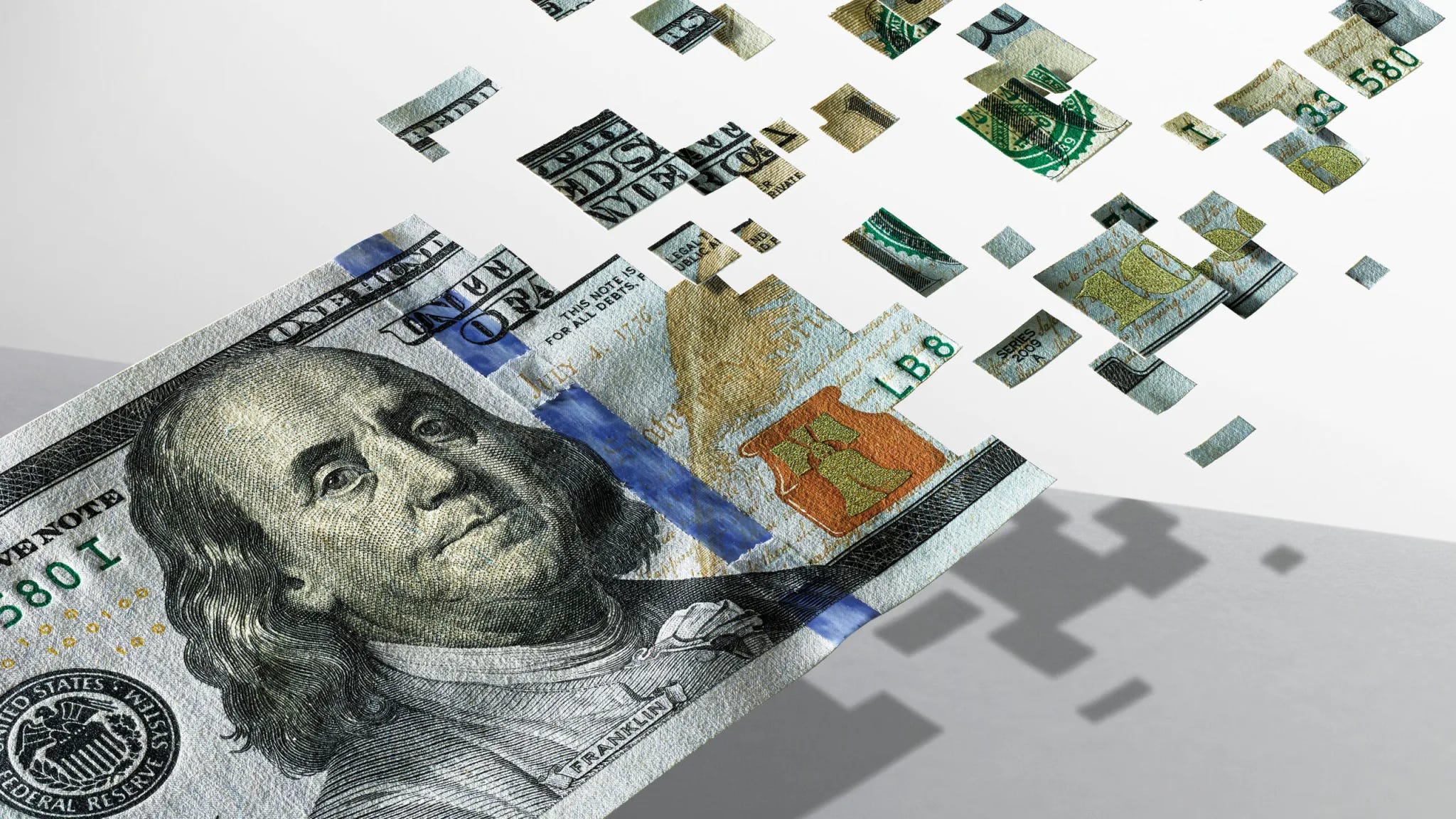
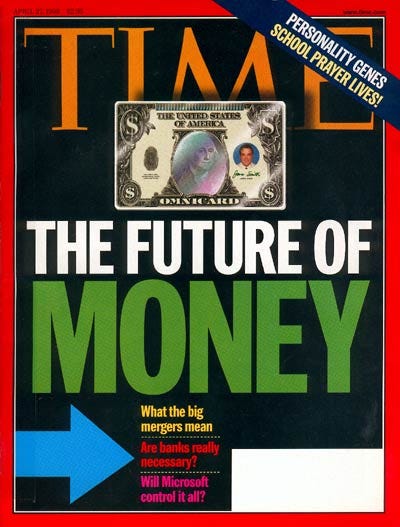
At the heart of the 1997 thesis was the inevitable death of physical cash. The article correctly identified the shift towards a “cashless society”, suggesting that the sovereign monopoly on the printing press would soon be challenged by digital alternatives. One must acknowledge that they were half-right for all the wrong reasons. They envisioned a world of “E-cash” and smart cards, a top-down evolution where the same banks currently bleeding the middle class dry would simply swap paper notes for digital blips on a screen.
What the article got spectacularly right was the concept of “private currencies”. Long before the first Bitcoin block was mined in 2009, Time posited that the internet would allow for the creation of brand-centric or community-led digital credits. They saw the fragmentation of money. In the British context, this mirrors the current obsession with Central Bank Digital Currencies (CBDCs) and the “Britcoin” project currently being debated in the halls of Westminster. The magazine understood that money was moving from a physical object to a pure data entry, a transition that Bitcoin has since perfected by removing the need for a trusted third party.
However, the failures of the 1997 vision are as deep as a Treasury deficit. The most glaring omission was the concept of decentralisation. The “Future of Money” as envisioned by the 1990s intelligentsia was still a permissioned, walled garden. They imagined a world where Microsoft or British Telecom might issue your currency. They failed to grasp the revolutionary potential of a Peer-to-Peer network that requires no central authority, no CEO, and no “Lender of Last Resort” to debase the unit of account at the first sign of a market wobble.
Furthermore, the article leaned heavily on the “convenience” factor of digital money while ignoring the “sovereignty” factor. To the 1997 mind, digital money was about making shopping easier. They did not foresee Bitcoin as “Digital Gold” or a hedge against the relentless money printing of the BoE and the Federal Reserve. They saw a better credit card; they did not see a tool for financial insurrection.
Is the future of money finally here? If one looks at the lightning-fast adoption of Bitcoin and the desperate scramble by the IMF to regulate the life out of the crypto-sphere, the answer is a resounding yes. But it is not the future Time promised. Their future was one of corporate loyalty points and centralised control. The reality we have inherited is a bifurcated world: on one hand, the dystopian push for CBDCs which will track every pint of ale and litre of petrol you buy; on the other, the hard-money reality of Bitcoin which offers an exit ramp from the fiat Ponzi scheme.
The 1997 cover was a map that stopped at the edge of the known world. We have since sailed over the horizon. The future of money is no longer a magazine prediction. It is a battleground between the state-controlled ledger and the immutable blockchain. Choose your side wisely.
Buy Bitcoin. Prepare for the Great Reset. Keep your powder dry.