
The Bilderberg Group Met Once More
Another Closed-Door Summit of the Elite

The Bilderberg Group concluded its annual meeting earlier this spring, having gathered from 9 to 12 April 2026 at the Salamander Washington DC Hotel. As is customary, the world’s most influential bankers, politicians, corporate executives, and select academics convened in complete privacy to discuss the management of global affairs away from public scrutiny.
The event followed the familiar pattern. No press were admitted. No detailed minutes were published. Participants emerged after several days with the standard assurance that the discussions had been merely “informal” and “constructive”. One could be forgiven for noticing that such informal chats among those who shape policy, allocate capital, and influence regulation frequently precede significant shifts in monetary strategy, regulatory frameworks, and supranational coordination.
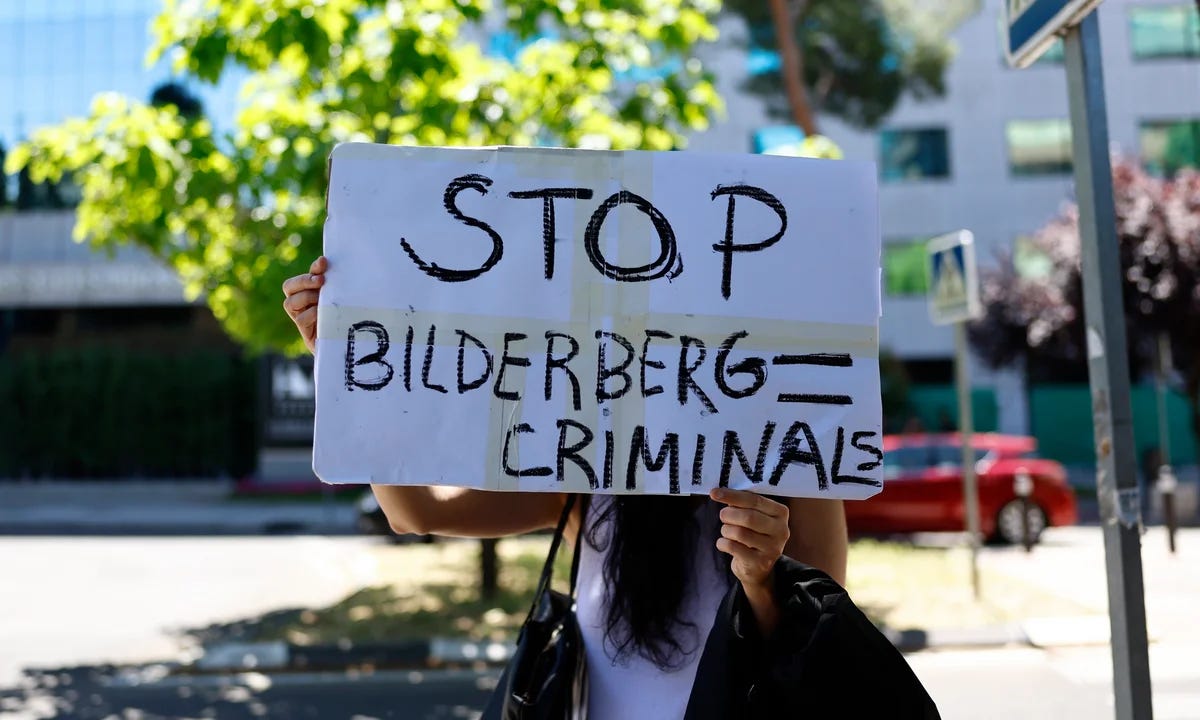
The Usual Cast Assembled
This year’s attendee list featured the predictable assembly of senior figures from BlackRock, Vanguard, major European banks, sitting and former government officials from both sides of the Atlantic, and leading technology executives. These are the individuals who move comfortably between private enterprise and public office, always ready to explore how best to advance “stakeholder capitalism”, digital governance, and the managed transition to net-zero economies.
Conspicuously absent, as ever, were representatives of small businesses, independent energy producers, farmers, or working families whose daily realities are most directly affected by the policies that tend to emerge from such consensus-building exercises. The room was reserved for those who view the world from a sufficient altitude.
The agenda, though never officially disclosed in full, almost certainly touched upon familiar themes: sustaining financial markets through continued monetary accommodation, accelerating centralised climate and digital initiatives, and addressing the recurring inconvenience of populist electoral outcomes that threaten the smooth progress of global integration.
A Ritual of Influence
The Bilderberg meeting remains one of the more enduring rituals of the transnational elite. Behind closed doors, differences are aired, networks are reinforced, and subtle alignment is achieved. Within months, elements of these private conversations often surface in the public positions of the IMF, the European Central Bank, the World Economic Forum, and national governments.
Critics have long argued that this represents a form of parallel governance insulated from democratic accountability. Defenders maintain that it is simply a valuable forum for candid exchange among serious people. The remarkable consistency of outcomes over decades lends weight to the former interpretation, even if such observations are routinely dismissed as conspiratorial.
What This Means
It means the managerial consensus that has guided Western institutions for years remains firmly intact. Despite repeated electoral setbacks and growing public discontent, the core project of ever-closer economic, regulatory, and cultural convergence continues. Adjustments may be made at the margins to accommodate political realities, but the direction of travel shows little sign of alteration.
For those outside the conference rooms, the episode serves as a reminder that significant portions of policy formation occur beyond the reach of national electorates. Whether this arrangement can endure indefinitely, given the widening gap between elite preferences and popular consent, remains one of the more pressing questions of our time. History suggests such divergences are rarely resolved peacefully or gradually. The Bilderberg participants, one suspects, have already moved on to the next item on their calendar.