
The Invoice of Empire
Why superpowers defeat themselves on the balance sheet

History is a graveyard of “New Eras” and “Unprecedented Scales”. From the marble forums of Rome to the sun-drenched ports of the Spanish Empire and the industrial might of Victorian Britain, a singular, jagged pattern repeats. Superpowers do not usually collapse because they lose a decisive battle on a muddy field; they collapse because they can no longer pay for the victory.
As we move through 2026, the signals are flickering red once again. We are witnessing the classic symptoms of Imperial Overstretch: borders that grow longer as the currency grows thinner, and global commitments that expand faster than the economy tasked with supporting them.
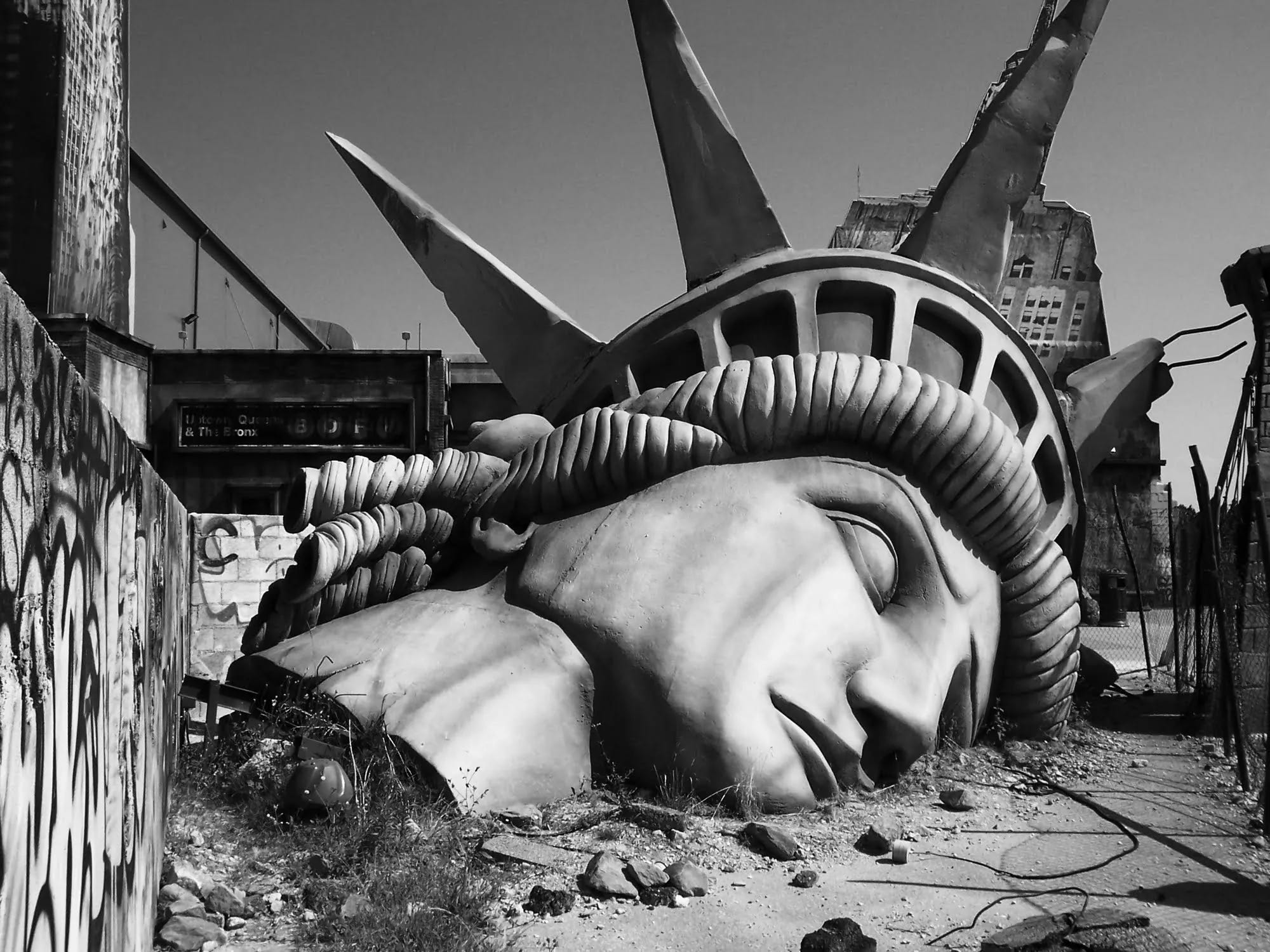
The Myth of the Profitable Conquest
The great seduction of expansionism is the promise of resources. Whether it is Roman grain, British tea and cotton, or modern oil reserves, the logic remains constant: go in, take control, and the bounty will pay for the effort.
But this is a calculation that almost always fails. The initial invasion, the “shock and awe”, is the easy part. The “Holding” is where the system breaks. When a superpower takes over a nation, it does not just inherit its oil wells or its minerals; it inherits its policing, its infrastructure, its local factional wars, and its social obligations.
Every promise made to a “liberated” population eventually becomes a bill. Historically, the cost of managing and securing a foreign territory almost always exceeds the revenue that territory produces. The “one-time gain” of a resource grab is inevitably swallowed by the “permanent cost” of an open-ended security perimeter.
The Fiscal Ceiling: Lessons from Rome and Britain
If we want to see where the United States sits in 2026, we must look at the blueprints of those who came before.
The Roman Debasement: At its peak, Rome’s frontier stretched over 5,000 kilometres. To fund the legionaries required to hold that line, the state began to “shave” its currency. The silver content of the Roman coin fell from 98% to a mere 2% over three centuries. They didn’t lose their military might; they lost the ability to pay the men holding the spears.
The British Debt Wall: Britain “won” World War II, but the victory came with a postwar debt of 252% of GDP. By the time of the 1956 Suez Crisis, the UK still had the military hardware to seize the canal, but they no longer had the financial capacity. When the US threatened to pull the financial rug out from under the Pound, the British Empire effectively ended. The money ran dry before the guns did.
The $8 Trillion Shadow
In 2026, the US national debt sits at a staggering level, but a significant portion of that mountain was built in the sands of the Middle East. Estimates suggest that the post-9/11 conflicts in Iraq, Syria, and Afghanistan have cost upwards of $8 trillion when accounting for interest and long-term veterans’ care.
In the absence of these expansionist commitments, the US national debt would be roughly 25% lower today. This is the “Invoice of Empire.” We are still paying for yesterday’s “liberations” while interest rates compound the burden of tomorrow’s conflicts.
The Turning Point: When Strength Becomes Strain
What are the warning signs of terminal overreach?
De-dollarisation: As allies and foes begin to form alliances outside the superpower’s influence, the ability to export inflation through the reserve currency diminishes.
Force vs. Growth: When a nation spends more on projecting force (the military) than on the things that actually grow an economy (infrastructure, education, innovation), it has entered a survival loop.
The Permission Effect: When one superpower ignores sovereignty to seize resources, it gives “permission” for rivals to do the same. This erodes the global rules-based order, forcing the superpower to spend even more on policing a more chaotic world.
The Final Word
Imperialism is the ultimate debt; it borrows from the future to pretend at strength today. Collapse is rarely a sudden explosion; it is a slow, grinding realization that the capacity to manage the world has disappeared.
In 2026, the system is testing its capacity. The US remains a formidable military power, but as Rome and Britain discovered, you can have the biggest navy in the world and still be defeated by a balance sheet. The real threat to a superpower isn’t the rival at the gate, it is the invoice in the mail.