
The Paradox of Plenty
Understanding Dutch Disease and Its Global Implications

Dutch disease represents a counterintuitive economic phenomenon in which a sudden surge in wealth from natural resources ultimately undermines other sectors of the economy. The term originated in 1977 when The Economist magazine described the challenges faced by the Netherlands following the discovery of substantial natural gas deposits in the North Sea during the late 1950s. What began as an apparent economic blessing led to unexpected difficulties in manufacturing and other tradable sectors. This pattern has since been observed in numerous resource-rich countries worldwide, highlighting the risks associated with overreliance on a single booming export.
The mechanism underlying Dutch disease operates through two primary channels: the resource movement effect and the spending effect. When a country experiences a boom in natural resource extraction, such as oil or gas, capital and skilled labour shift toward the booming sector. This reallocation raises wages and production costs in other industries, particularly manufacturing and agriculture. Simultaneously, the influx of foreign currency from resource exports appreciates the domestic exchange rate. A stronger currency renders non-resource exports more expensive on international markets, reducing their competitiveness. Imports, by contrast, become cheaper, further pressuring local producers. Over time, these dynamics contribute to deindustrialisation and a narrower economic base.
The consequences extend beyond immediate sectoral shifts. Economies afflicted by Dutch disease often exhibit heightened vulnerability to commodity price fluctuations. Dependence on volatile resource revenues can lead to unstable government budgets, inflationary pressures, and reduced incentives for innovation in diversified industries. Moreover, the phenomenon exacerbates inequality, as benefits concentrate among those connected to the resource sector while broader employment opportunities diminish. In extreme cases, it fosters governance challenges, including rent-seeking behaviour and corruption, which compound long-term developmental obstacles.
The Netherlands provided the original case study. The discovery of the Groningen gas field generated significant export revenues and strengthened the Dutch guilder. However, this appreciation eroded the competitiveness of Dutch manufacturing, contributing to higher unemployment and slower growth in non-energy sectors. Although the country eventually mitigated some effects through policy adjustments, the episode illustrated the broader risks.
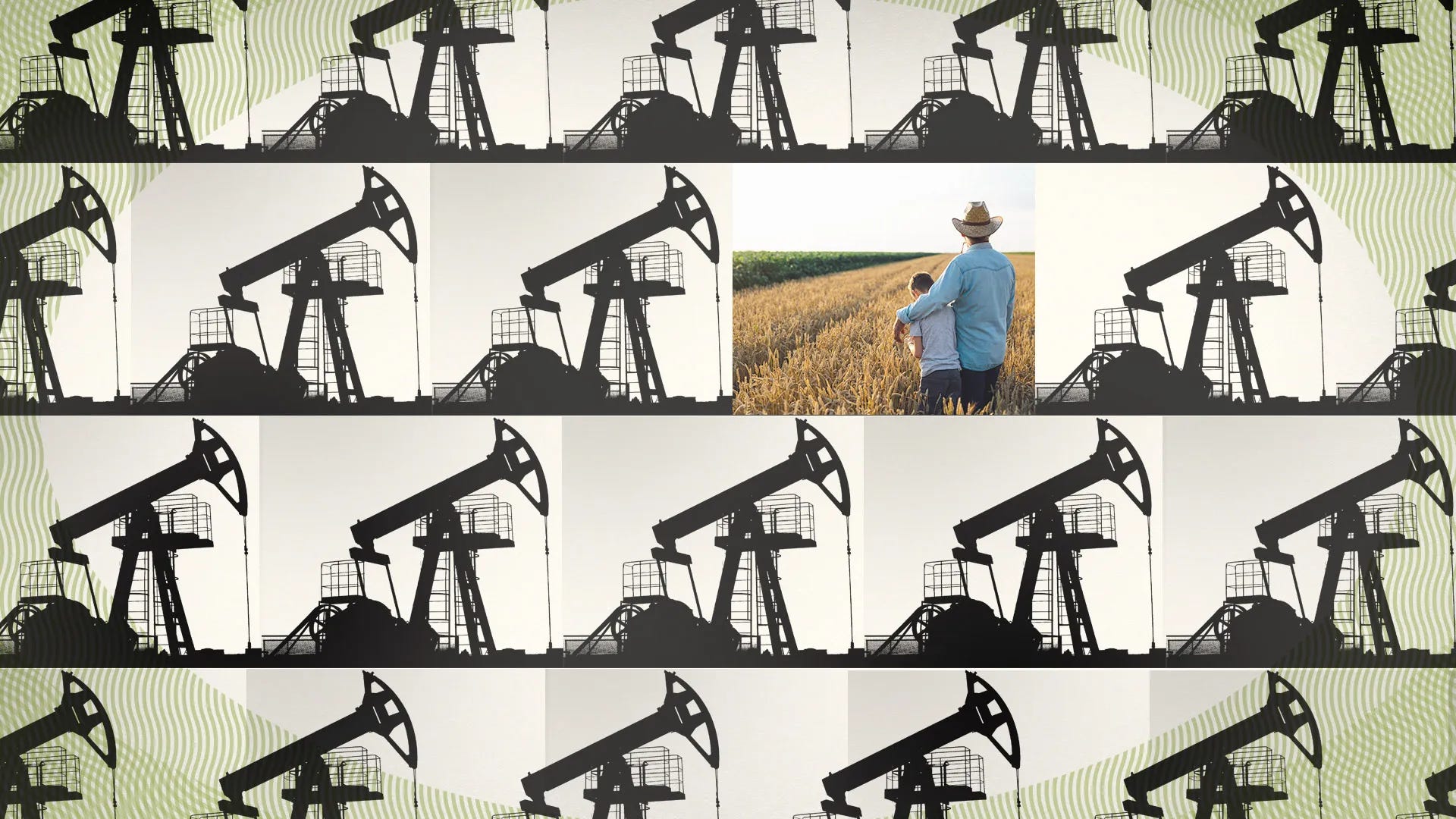
Similar patterns have emerged elsewhere. In the United Kingdom during the 1970s and 1980s, North Sea oil discoveries coincided with a sharp appreciation of the pound sterling. Manufacturing industries faced severe competitive disadvantages, accelerating deindustrialisation in regions reliant on traditional exports. The economy entered recession despite the resource windfall, as workers demanded higher wages and non-oil exports suffered.
Developing economies have frequently encountered more pronounced difficulties. Nigeria, a major oil producer, has struggled with Dutch disease symptoms for decades. Oil revenues have dominated government finances, leading to neglect of agriculture and manufacturing. Currency appreciation and volatility have hindered diversification efforts, leaving the country exposed to oil price shocks and persistent underdevelopment in non-oil sectors. Venezuela offers another stark example, where vast oil reserves financed expansive social programmes but failed to build sustainable economic foundations. Economic mismanagement amplified the effects, resulting in severe contraction when oil prices declined.
Not all resource-rich nations succumb equally. Norway stands as a notable exception through prudent management. The establishment of a sovereign wealth fund has allowed the country to save resource revenues for future generations, sterilise inflows to limit currency appreciation, and invest in human capital and diversified industries. This approach has helped maintain competitiveness in other sectors and provided a buffer against price volatility. Canada has also experienced periodic concerns, particularly with oil sands development, but flexible exchange rates and economic diversity have moderated the impacts.
Russia and Azerbaijan have faced analogous challenges in recent decades. Oil and gas exports have driven currency strength and resource dependence, complicating efforts to develop manufacturing and technology sectors. When global energy prices fall, these economies experience sharp contractions, underscoring the limitations of undiversified growth models.
Addressing Dutch disease requires deliberate policy measures. Governments can adopt fiscal rules to save windfall revenues during boom periods, thereby reducing spending pressures that fuel inflation and appreciation. Sovereign wealth funds, as demonstrated by Norway, serve as effective tools for intergenerational equity and macroeconomic stabilisation. Investing in education, infrastructure, and innovation can enhance productivity in lagging sectors. Exchange rate management, including occasional interventions or adoption of flexible regimes, may also prove beneficial. Ultimately, successful mitigation depends on building institutional capacity to resist short-term political pressures for excessive consumption of resource rents.
In an era of energy transitions and increasing focus on sustainable development, the lessons of Dutch disease carry renewed relevance. Countries with emerging resource discoveries, whether in critical minerals for green technologies or traditional hydrocarbons, must plan carefully to avoid the paradox of plenty. Diversification remains essential for long-term resilience. Economies that treat resource wealth as a temporary opportunity rather than a permanent substitute for broad-based growth position themselves more favourably in the global landscape.
The experience of Dutch disease demonstrates that natural endowments do not guarantee prosperity. Without foresight and disciplined policies, the very wealth that appears transformative can instead constrain economic potential. Nations confronting this phenomenon today possess historical precedents to guide their responses and safeguard broader development objectives.